The short answer
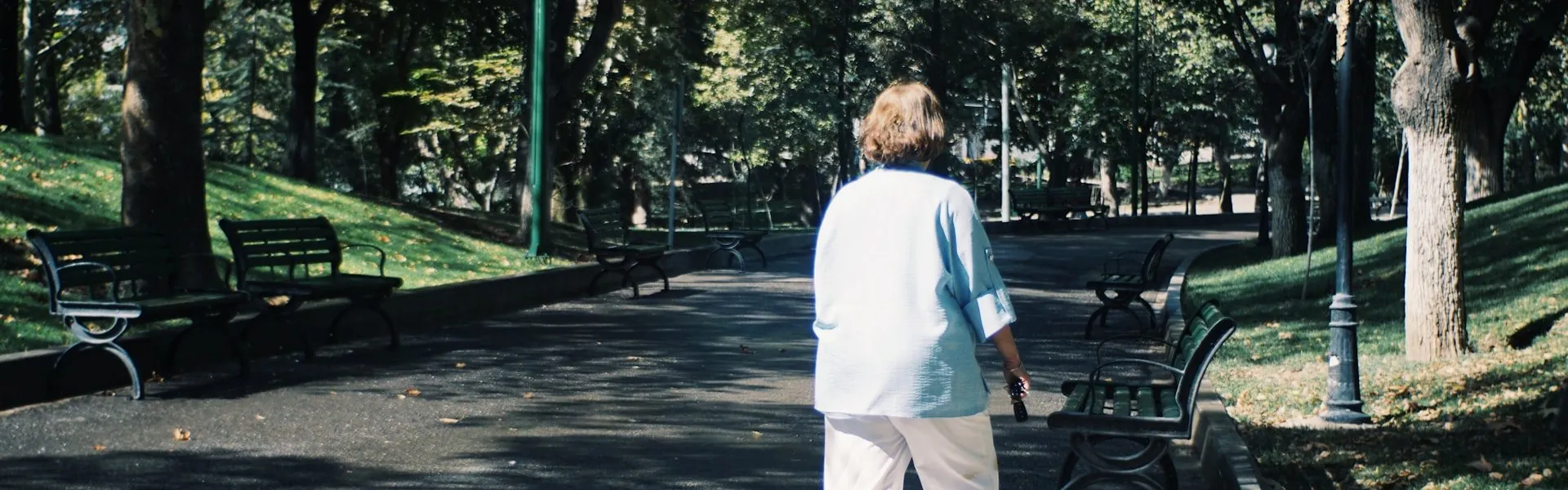
For the most common, nonspecific lower-back pain, walking helps rather than hurts. Modern clinical guidelines advise getting back to movement as early as possible and avoiding bed rest. Walking gently loads the back, strengthens the supporting muscles and lowers the risk that the pain becomes chronic or returns. The exception is the "red flags" (more on those at the end), which call for a doctor first
Why rest fails and walking heals
The old advice — "lie down and it'll pass" — turned out to be harmful. With prolonged rest, the muscles of your back and core weaken, the joints stiffen, blood flow drops, and the brain reinforces the link "back = danger and pain." The result: the pain doesn't go away, it sets in
Walking works the other way around:
- It feeds the intervertebral discs. The discs, like cartilage, have no blood vessels and get their nourishment from movement — light rhythmic loading "pumps" them
- It strengthens the muscular corset. The core and back muscles work gently while walking and, over time, support the spine better
- It relieves stiffness and improves circulation in the tissues of the back
- It dulls pain naturally. Activity releases endorphins and lowers the nervous system's sensitivity to pain
- It counters sitting. Long sitting is exactly the frequent culprit behind lower-back pain (the load on the discs is higher sitting than standing). How to break up sitting — in our piece on 10,000 steps with a desk job
What the 2024 study showed
This is consistent with reviews and guidelines (from the American College of Physicians, for example): for lower-back pain, movement and physical activity come first, not rest and pills
How to walk with an aching back
- Start small. During an acute episode — short 5–10-minute walks several times a day, no heroics
- Build up gradually. As you feel better, add a little bit of duration and pace
- Keep your posture. Back straight, shoulders relaxed and down, gaze ahead, a natural stride. Don't slouch or constantly stare at your phone
- Comfortable, cushioned shoes; hard asphalt is tougher on your back than dirt paths
- Don't carry a heavy bag on one shoulder. A backpack on both straps is better
- A brisk pace, but without strain. It should feel easier, not more painful
A guide: light stiffness that fades once you get going is normal. Pain that builds during a walk or radiates down your leg is a signal to stop and see a doctor
Red flags: when to see a doctor first
Walking helps with "ordinary" back pain, but in rare cases the pain is a symptom of a serious problem. Don't self-treat, and see a doctor urgently if the pain is accompanied by:
- numbness or weakness in a leg (legs), shooting pains down the leg
- loss of bladder or bowel control, numbness in the groin area
- onset after a serious injury (a fall, an accident)
- unexplained weight loss, fever, night pain that wakes you
- pain that doesn't go away and builds over several weeks
These signs call for an examination, not for walks. In all other cases, movement is almost always on the side of recovery
Not just the back
As a bonus, regular walking lowers stress and improves mood, and psychological tension directly heightens the perception of back pain — a link we wrote about in our piece on walking and mental health. The result is a double effect: easier on both the body and the mind
Bottom line
"Spare your back with rest" is outdated advice. For nonspecific lower-back pain, evidence-based medicine is unambiguous: moving is better than lying down. Walking feeds the discs, strengthens the muscular corset, relieves stiffness and, as the 2024 study showed, nearly halves the risk that the pain returns
Start with short walks, keep your posture, build up gradually — and watch for the "red flags." In most cases, the best thing you can do for an aching back is not to lie down but to calmly go for a walk
Sources
- Pocovi NC, Lin CC, French SD et al. "Effectiveness and cost-effectiveness of an individualised, progressive walking and education intervention for the prevention of low back pain recurrence (WalkBack): a randomised controlled trial." The Lancet, 2024. → Elsevier
- Foster NE, Anema JR, Cherkin D et al. "Prevention and treatment of low back pain: evidence, challenges, and promising directions." The Lancet, 2018. → Elsevier
- Qaseem A, Wilt TJ, McLean RM, Forciea MA. "Noninvasive treatments for acute, subacute, and chronic low back pain: a clinical practice guideline from the American College of Physicians." Annals of Internal Medicine, 2017. → ACP
- Hendrick P, Te Wake AM, Tikkisetty AS et al. "The effectiveness of walking as an intervention for low back pain: a systematic review." European Spine Journal, 2010. → Springer

Count your steps, keep your back moving
Qozgal automatically counts every step and reminds you not to sit too long. Free