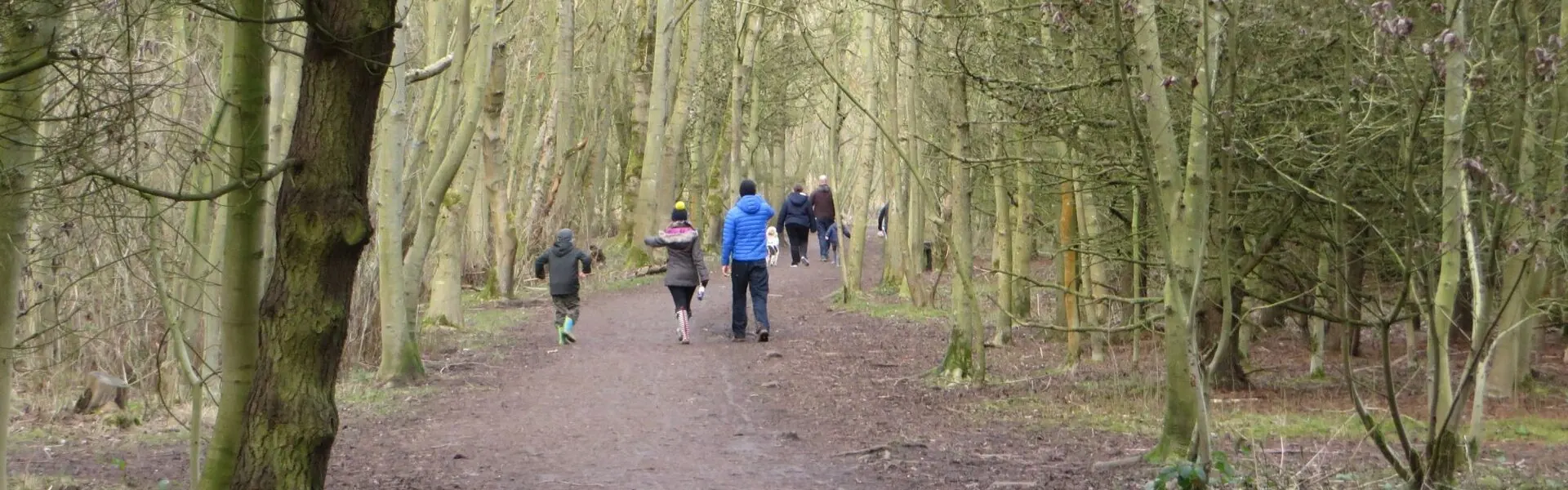
Why Long COVID Calls for Special Caution
If you have felt tired, short of breath, foggy and weak for weeks or months after COVID-19, you are not alone. This state is called long COVID, or post-COVID condition. Here the usual logic that "the more you move, the faster you recover" often does not hold. In some people the body reacts to exertion differently after the infection, and overly intense exercise can set recovery back rather than speed it up.
This article is about returning to walking gently. We will explain what post-exertional malaise is, why it helps to "stop before you are tired", how to use the energy envelope and pacing, and how to add activity very gradually if your body allows it. This is not a substitute for seeing a doctor: we are deliberately cautious and stress when you need medical help. The aim is a calm, humane guide, not a push toward someone else's step targets.
What Post-Exertional Malaise (PEM) Is
Post-exertional malaise (PEM) is a marked worsening of symptoms after physical, mental or emotional effort. The tricky part is that the worsening often comes not at once but 12 to 72 hours later. A person walks, feels fine, and then the next day or two "crashes": fatigue, headache, breathlessness, muscle pain and brain fog all flare up. Because of this delay it is easy to miss the link between the crash and the walk and to overdo it again.
This is exactly why with long COVID care matters more than effort. If you experience PEM, the goal of walking is not to "build fitness" but to gently support the body without triggering a crash. That means doing less than you feel able to and planning rest in advance. It sounds odd to those used to sport, but this gentle approach most often helps slowly widen what you can do without setbacks and weeks in bed.
- Symptoms flare not during the walk but hours later or the next day.
- A crash can last from a few days to weeks and undoes your progress.
- The trigger may be mental or emotional effort, not only physical activity.
- If PEM keeps happening, the load must be reduced, not forced through.
Pacing and the Energy Envelope
The main tool in long COVID is pacing: deliberately spreading out your effort so you do not exceed your "energy envelope". The envelope is the amount of activity you can do in a day without later worsening. The goal is not to reach your limit every day but to stay inside it with some margin. Then the body gradually calms down and the window of safe activity slowly widens.
If you feel markedly worse 12 to 72 hours after a walk, that is a sign of PEM, not laziness or "weak willpower". In that case do not "train through it": aggressive exertion can trigger a long crash. Reduce activity, give yourself rest, and discuss it with a doctor. In long COVID with PEM, classic "increase the load a bit every day" programmes can do harm.
How to Start Walking Safely
Start very small — sometimes just 2 to 5 minutes of gentle walking, occasionally even around the house. The key rule: stop before you feel tired, not when your strength is already gone. It helps to watch how you feel and, if possible, your heart rate: a sharp jump in heart rate or unusual breathlessness is a cue to slow down or sit at once. It is better to walk less and not crash than to "give it your all" and lose a week.
| Scenario | What to do |
|---|---|
| I feel stable for several days | Keep the same short load, do not rush to add |
| A day passed with no crash | You may add 1–2 minutes or one short outing — very carefully |
| PEM appeared, worse the next day | Go back to a smaller amount, add rest days |
| Chest pain, fainting, sudden breathlessness | Stop the activity and seek medical help urgently |
With long COVID, strength is not in pushing through but in stopping in time to protect tomorrow.
A Calm Plan Over Several Weeks
Below is a gentle guide, not a strict prescription. Any step can be stretched out longer: with long COVID it is normal to stay at one level for two or three weeks rather than one. Move on only if the previous step passed without a crash. If PEM appears, calmly step back a level. And be sure to agree the plan with your doctor, especially if you have heart or lung problems or severe breathlessness.
- Step 1: 2–5 minutes of very gentle walking every other day, stopping before you tire.
- Step 2: if several days pass with no crash, add 1–2 minutes or a second short outing.
- Step 3: alternate active days and full rest days, checking how you feel a day later.
- Step 4: expand the load in small portions only when tolerance is reliably good.
- Step 5: at any crash, reduce the amount and discuss next steps with your doctor.
- With long COVID the key is to pace yourself, not push through.
- PEM is worsening 12 to 72 hours after exertion; it is not weak willpower.
- Start with 2 to 5 minutes and stop before you get tired.
- Stay inside your energy envelope and add load only without crashes.
- Chest pain, fainting or sudden breathlessness means see a doctor at once.
Frequently Asked Questions
Doesn't moving help you recover faster?
With ordinary tiredness, yes. But in long COVID with PEM, excess effort can trigger a long crash. So you must start very gently, pacing yourself, and increase activity only if your body tolerates it without worsening.
How many minutes should I walk at first?
Sometimes 2 to 5 minutes of gentle walking is enough, even around the house. It is better to stop before you feel tired. If there is no worsening the next day, you can add 1–2 minutes very gradually.
Why watch my heart rate?
A sharp jump in heart rate or unusual breathlessness signals that the load is too much. That is a cue to slow down, sit and rest. Specific heart-rate targets are best discussed with your doctor individually.
When do I need urgent medical care?
Seek help immediately for chest pain, fainting or a sudden increase in breathlessness. Also see a doctor if symptoms steadily worsen, and agree an activity plan if you have heart or lung disease or diabetes.
Sources
- Mayo Clinic. "COVID-19: Long-term effects" (post-COVID condition). Mayo Clinic: long COVID
- CDC. "Long-Term Effects of COVID-19". CDC: long COVID
- WHO. Physical activity fact sheet. WHO: physical activity
- PubMed. Topic search "long COVID exercise pacing". PubMed: long COVID pacing
- Cleveland Clinic. Health library. Cleveland Clinic
Count your steps with Qozgal
A free app that counts your steps, keeps your streak and motivates you to walk every day.