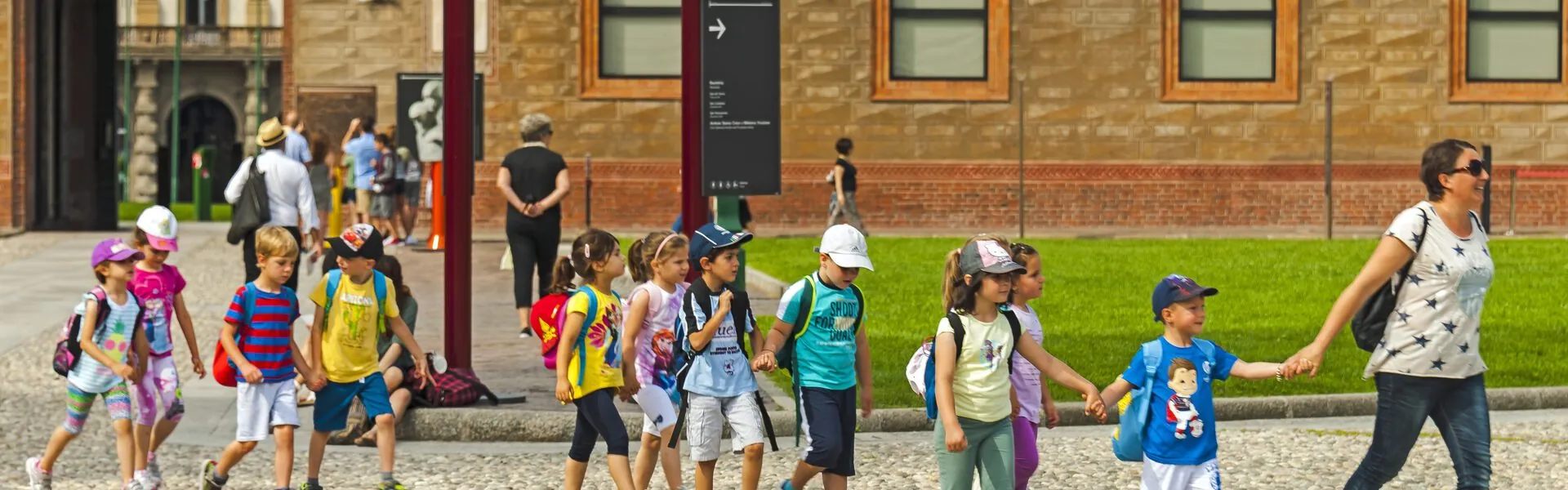
The Digital School and Real Movement
BilimClass now sits in the phone of almost every schoolchild and parent in Kazakhstan. The electronic journal, grades, SOR and SOCH assessments, video lessons, homework, iTest — all of it is convenient and always at hand. But there is a flip side: the more school life moves to the screen, the longer a child sits. First a lesson at the desk, then homework in the app, then checking grades on the phone. And less movement hits exactly what everyone worries about — attention and grades.
In this article, without needless drama, we will cover three things. What BilimClass is and why it changed the school day. What science says about the link between movement and learning, with references to large studies. And how to fit walking into a screen-heavy student routine without breaking the usual schedule. No talk of harmful gadgets: BilimClass really is convenient and useful. This is about balance between the screen and your feet.
What BilimClass Is and How Steps Fit In
BilimClass (Білім Класс, site bilimclass.kz) is the national digital platform for schools in Kazakhstan. In 2024 it officially replaced the old Kundelik electronic journal. Inside are grades, SOR and SOCH assessments, video lessons, homework, iTest, and communication between teachers, students and parents. The app is free, the servers are located in Kazakhstan, and it was built by Bilim Group from the BilimLand ecosystem. The platform is handy, but convenience has a price: even more time is spent sitting — at the desk, then over homework, then phone in hand checking grades.
Here is what that means in practice. Movement does not steal time from lessons — it primes the brain for work. While walking, more blood and oxygen reach the brain, levels of substances like BDNF rise to help nerve cells form connections, and attention sharpens afterwards. So a short walk before a hard topic or a test is not skipping study, it is sensible preparation for it.
- Attention in class: after movement it is easier to focus and not get distracted.
- Memory: moderate activity helps children take in and hold the material.
- Mood and less anxiety: walking eases tension before SOR and SOCH.
- Sleep: children who move during the day fall asleep more easily and sleep deeper.
- Eyes: a walk and looking into the distance rest eyes tired from the screen.
What Research Says About Movement and Grades
When scientists pool dozens of school studies, the pattern is steady. Active children do at least as well, and often better, than peers who move little. An important detail: even when part of class time is given to physical activity, grades do not drop and attention in lessons rises. So time spent moving pays off — a child takes in the material more efficiently in the same hours rather than losing them.
Between BilimClass video lessons, a short active break restores focus. Try a rhythm of 40–45 minutes of study and 5 minutes of movement: stand up, stretch, walk around the room or to the kitchen and back. Attention holds noticeably longer after such a pause.
How Much a Student Should Move in the Online-Learning Era
Here there is a clear guidepost. The WHO advises children and teens aged 5 to 17 to get on average 60 minutes of moderate to vigorous activity a day. And it does not have to be sport or a club. Walking to school, recess, active games in the yard, walking the dog and an ordinary evening family walk all count. The main thing is that movement is regular, not once a week on the weekend.
| Situation | How to add movement | What it gives |
|---|---|---|
| A long online lesson on BilimClass | A 5-minute break every 40–45 minutes | Attention holds, eyes rest |
| The commute to school | Walk at least part of the way | Alertness in the first lessons |
| Homework at the computer | A 10–15 minute walk afterwards | The material sticks better |
| A day off | A 30–40 minute family walk | Meets the activity norm, a break from screens |
The screen teaches the head, and movement prepares it to learn — each works worse without the other.
How to Build Walking Into the School Day: A Family Plan
The advice for parents and students alike is simple: there is no need to break the usual routine. It is far more reliable to add movement at the points of the day that already exist. The commute, breaks between tasks, the time after homework, the weekend — each one easily hides a little walking. And so it is not forgotten and brings some joy, movement is handy to turn into a shared family game with a clear goal.
- Walk part of the route to school — get off a stop earlier or park farther away.
- Between lessons and tasks in BilimClass, take a 5-minute break to stretch and walk.
- After homework at the computer, go for a 10–15 minute walk to clear your head.
- On weekends, take a 30–40 minute family walk — it is both rest and the activity norm.
- Count steps as a whole family, like a game: the Qozgal app makes it easy to see who walks more.
- BilimClass is convenient, but it moves ever more school life onto the screen and the desk.
- Movement does not hinder study, it helps: attention, memory, mood and sleep.
- Large studies: active children do no worse, and often better.
- The WHO guidepost is about 60 minutes of activity a day for children aged 5–17.
- Add walking at the points of the day that already exist, without breaking the routine.
Frequently Asked Questions
Does movement hurt studying?
No. Research shows the opposite: active children take in the material at least as well, and often better. Even when part of the time goes to movement, grades do not drop and attention in lessons rises.
How many steps does a schoolchild need?
There is no strict step target for children; use the WHO guidance of about 60 minutes of movement a day. That is roughly the walk to school, recess and an evening walk together. Discuss an exact figure with a pediatrician.
What if the child is in BilimClass all day and will not go out?
Start small and without pressure. Tie movement to what already exists: a break between video lessons, a short walk after homework, a trip to the shop together. A shared game helps — counting steps as a whole family.
When should you see a doctor?
If a child develops chest pain, severe breathlessness, dizziness, fainting or joint pain during activity, see a doctor before increasing the load. With chronic conditions, agree on an activity plan with a pediatrician.
Sources
- Donnelly JE et al. "Physical Activity, Fitness, Cognitive Function, and Academic Achievement in Children: A Systematic Review", Medicine & Science in Sports & Exercise, 2016. Med Sci Sports Exerc 2016
- Álvarez-Bueno C et al. "Academic Achievement and Physical Activity: A Meta-analysis", Pediatrics, 2017. Pediatrics 2017
- Hillman CH, Erickson KI, Kramer AF. "Be smart, exercise your heart: exercise effects on brain and cognition", Nature Reviews Neuroscience, 2008. Nat Rev Neurosci 2008
- Singh AS et al. "Effects of physical activity interventions on cognitive and academic performance in children and adolescents", British Journal of Sports Medicine, 2019. Br J Sports Med 2019
- WHO. Physical activity fact sheet. WHO: physical activity
- Bull FC et al. "WHO 2020 guidelines on physical activity and sedentary behaviour", Br J Sports Med, 2020. WHO 2020 guidelines

Count your steps with Qozgal
A free app that counts your steps, keeps your streak and motivates you to walk every day.