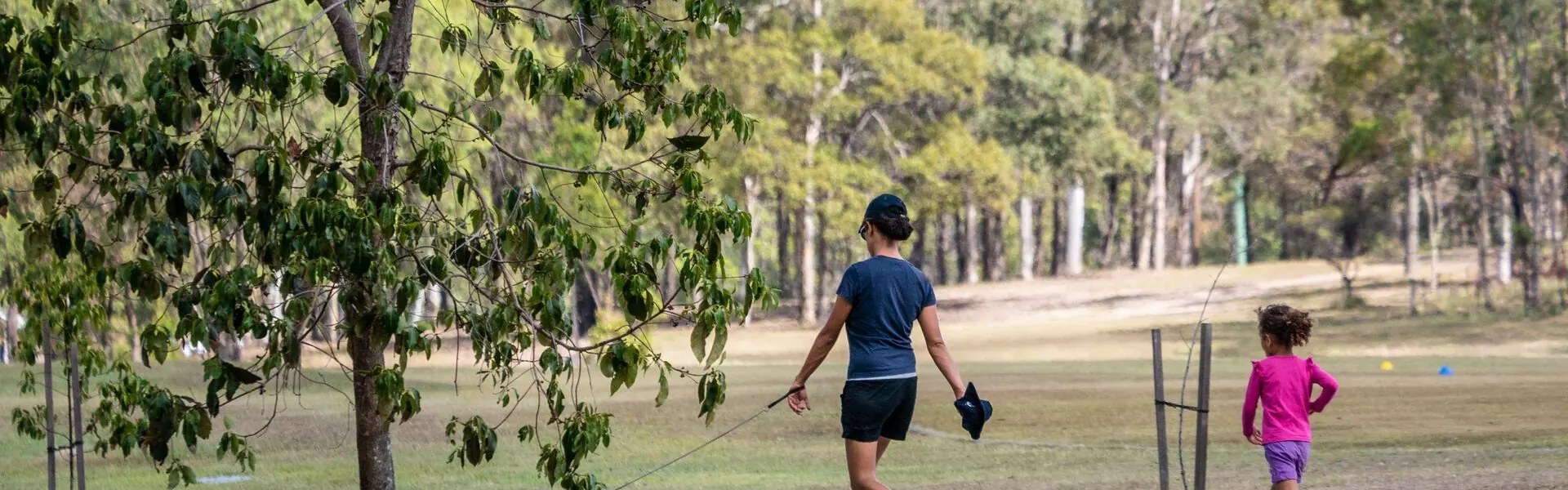
Why a Dog Is the Best Motivator to Walk
Most people want to move more but lack a reason to leave the house. A dog gives that reason every day: it cannot be "put off until tomorrow." Your pet waits by the door, and you go out even on days when, left to yourself, you would stay on the couch. That is the secret: walking with a dog runs not on willpower but on responsibility for a living creature that depends on you. That is how a lasting habit of walking is built.
This article is a warm, practical guide. We will look at what research says about dog owners and step counts; how to build a daily route and schedule; how a dog's "sniff walk" differs from a brisk walk for you, and how to combine both; how to protect paws and avoid overheating in summer or chilling in winter; why to carry water; what leash etiquette means and why picking up after your dog matters. We will also talk about puppies and senior dogs, and honestly address those thinking of getting a dog mainly for activity. No targets and no guilt: what matters is regular movement that gives energy back rather than draining it.
What Research Says About Dog Owners
The link between a dog and activity is not just a casual observation — scientists have confirmed it many times. On average, dog owners walk more steps a day, are more likely to meet the recommended activity target, and do so more steadily across the whole year, not only in good weather. The reason is the obligation: a dog must be walked, and that keeps a person moving even on days when motivation is low and it is cold or raining outside.
The benefits go beyond steps. Regular walking supports the heart and blood vessels, helps control weight and blood sugar, and improves sleep and mood. Dog walks add social contact too: outdoors you greet neighbors, meet other dog owners, and feel part of your area. And the ritual of going out morning and evening structures the day and lowers stress — for many people that is just as valuable as the steps themselves.
- More steps a day and a higher chance of meeting the weekly activity target.
- Support for the heart, weight, blood sugar and sleep quality.
- Steadier mood and less stress thanks to the ritual of walking.
- Social contact: neighbors, other dog owners, a sense of community.
- For the dog — a healthy weight, an energy outlet and fewer behavior problems.
Two Paces: The "Sniff Walk" and the Walk for You
It is important to understand that a dog and a person need slightly different walks. For a dog, a walk is above all a chance to sniff, to explore the world with its nose, to stop at every bush. That is how it "reads the news" and relieves tension. For you, the benefit for heart and weight comes from a brisk, continuous pace. If every walk is a stop-start affair at each post, you will rack up steps but miss out on a real cardio workout.
Split the route into parts. Walk part of it briskly and without stopping — that is your cardio segment — and on a separate safe stretch let out the leash and give the dog plenty of time to sniff and explore. That way the pet gets its "sniff walk" and you get your workout, without sacrificing anyone's interests.
Safety: Paws, Heat, Cold and Water
Weather shapes not only your comfort but your dog's safety. In heat the main enemy is scorching pavement: it burns paw pads and reflects heat from below. A simple rule: press your palm to the pavement for 5–7 seconds; if it is too hot and uncomfortable for your hand, it is for the dog too — walk on grass, in the shade, or move the outing to morning and evening. Dogs have almost no sweat glands and cool through panting, so they overheat faster than people.
| Conditions | What to do | What to avoid |
|---|---|---|
| Heat and sun | Walk early morning/late evening, go via shade and grass, bring water | Midday pavement, long runs, a dog left in a car |
| Hard cold | Shorter walks, protect paws from de-icers, keep moving without long stops | Standing in frost for long, ice and salt mixes on paws |
| Rain and slush | Wash and check paws after the walk | Chemical de-icers and dirt left on the paws |
| Any weather | Always carry water on a long walk or in heat | A walk with no water on a warm day |
A dog will not ask whether you are tired or what the weather is like — and that is exactly why it gets you out for a walk every single day.
Building a Route, Routine and Leash Etiquette
A good habit is built on predictability. Tie walks to natural points of the day — morning after waking and evening after work; the dog will quickly learn the rhythm and start reminding you itself. It helps to have more than one route: a short "standby" loop for busy days and a longer one for the weekend. Do not forget etiquette: keep the dog on a leash where required, do not let it jump on passersby or other dogs, give way, and always pick up after your pet — carry extra bags. This is respect for neighbors and for the cleanliness of your area, which decides whether dogs are welcome in shared spaces.
- Morning: a short brisk walk of 15–20 minutes to warm up both you and the dog.
- Midday: if possible, a short outing or a yard game to burn off energy.
- Evening: the main walk of 30–40 minutes — part brisk for you, part for the nose.
- Always: pick-up bags, water in heat, a leash wherever it is required.
- Once a week: a longer route or a new place for variety for both of you.
- A dog is one of the best motivators: you walk out of responsibility, not willpower.
- In studies, dog owners take more steps and do so more consistently.
- Combine a brisk pace for your heart with a "sniff walk" for the dog.
- Protect paws from scorching pavement and de-icers, and carry water in heat.
- Build a routine, pick up after your pet, and adapt the load for puppies and senior dogs.
Frequently Asked Questions
Is it really true that dog owners walk more?
Yes, this has been confirmed by research many times. On average, dog owners take more steps a day and more often meet the recommended activity target. The main reason is the obligation to walk the pet every day, which keeps you moving even in bad weather and when motivation is low.
How do I tell whether the pavement is too hot for paws?
Press the back of your hand to the surface and hold it for 5–7 seconds. If it is too hot and unpleasant for you, it is for the dog too, with a risk of burned pads. Walk on grass and in shade, or move the walk to morning and evening. In heat, always bring water along.
Should I get a dog just for the activity?
A dog really does help you move more, but it is a living creature with needs for 10–15 years: daily walks in any weather, the vet, costs, attention. Get one only if you are ready for that responsibility in full, not just for the steps. If in doubt, start with regular walks without a dog or help walk someone else's.
How should I walk a puppy or a senior dog?
Puppies need short, frequent outings without heavy load on growing joints, while senior dogs need a calm pace, warmth and shorter routes with chances to rest. In both cases follow the pet's well-being and check with a vet if you are unsure.
Sources
- WHO. Physical activity fact sheet. WHO: physical activity
- Bull FC et al. "World Health Organization 2020 guidelines on physical activity", Br J Sports Med, 2020. Br J Sports Med 2020
- Cleveland Clinic. Health library: the benefits of walking. Cleveland Clinic
- Mayo Clinic. Walking and physical activity for health. Mayo Clinic
- PubMed. A selection of studies on dog walking and physical activity. PubMed: dog walking

Count your steps with Qozgal
A free app that counts your steps, keeps your streak and motivates you to walk every day.