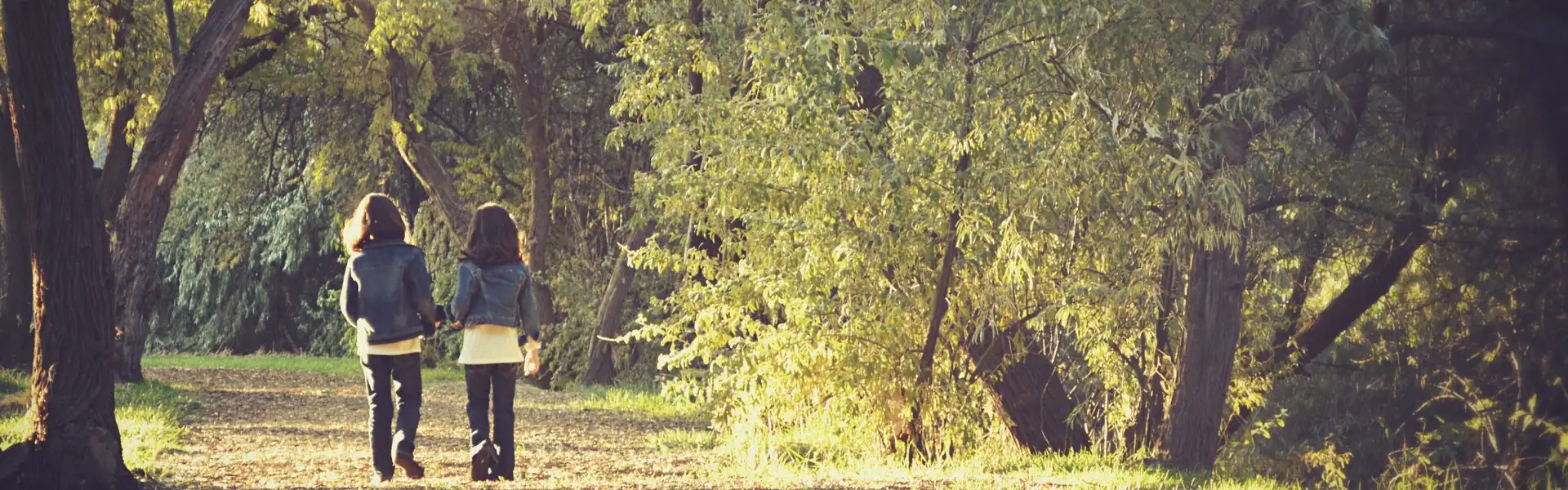
Why a Stroller Walk Is the Best Start
The first months with a baby easily pass within four walls: lost sleep, feedings, endless chores. Meanwhile your body misses movement, and your mood suffers without fresh air. A stroller walk solves two problems at once: babies often sleep more soundly outdoors, while you get calm, accessible physical activity with no gym, membership or babysitter. It is exercise that genuinely fits into a new life.
This article offers a warm, practical plan. We will look at how to keep good posture and set the stroller handle height to protect your wrists, back and shoulders; how to choose a route, pace and surface; how to protect the baby from heat, sun and cold; and how to build a rhythm of walks around feedings and naps. We will also talk about gentle postpartum recovery and when you should first ask your doctor for clearance. There is no room here for guilt or rigid targets: what matters is not a perfect number but regular movement that gives energy back rather than draining it. Any walk, even the shortest, already works for your body and mood, and it is from these small outings that a lasting habit of moving is built.
Posture and Handle Height: Protect Your Back and Wrists
Strollers are often pushed while hunched, leaning forward with bent wrists — and within a couple of weeks come lower back, neck and wrist pain. The main rule is simple: stand tall, shoulders relaxed and down, eyes forward, not looking down at the baby. Keep your elbows close to your body and slightly bent. Push the stroller with your whole body, not just your arms, and do not hang your full weight on the handle.
Handle height matters enormously. If the stroller adjusts, set the handle roughly at waist level or just below the navel — so your wrists stay straight and your shoulders do not rise toward your ears. A handle that is too low forces you to hunch; one that is too high tenses the shoulders. A tall parent and a short parent need different settings, so adjust to yourself, not to how it came. If both parents share the stroller, readjust the handle for each of you: an extra half minute saves weeks of back pain. And remember that fatigue builds up unnoticed — a short pause to straighten up and roll your shoulders back is far better than enduring tension to the end of the walk.
- Set the handle so your wrists are straight and elbows slightly bent near the body.
- Walk with a straight back and relaxed shoulders, looking ahead, not down.
- Push with your torso and legs, do not hang on the handle with your arms.
- Switch hands and grip if you push the stroller with one hand.
- Comfortable flat shoes protect your knees and lower back.
Route, Pace and Surface
Start with flat, familiar routes near home, with shade and easy places to stop. Smooth asphalt or a firm path rolls easily; gravel, sand and high curbs take more effort and jolt the stroller, which is unpleasant for your back and for the baby. A loop near home beats a long one-way route: you are always close by if the baby wakes or the weather turns. Scout out spots where you can sit and rest in advance, along with patches of shade for hot days. If there is a park or a green avenue nearby, it is ideal: less exhaust, more quiet and a calmer baby. Do not chase distant scenic routes in the first weeks — a simple, predictable loop near your door is more reliable and far easier to turn into a daily habit.
Walk at a pace where you can talk but not sing — that is moderate effort. Start slow, pick up in the middle of the walk and ease off toward the end. If the baby settles better with steady motion, keep a calm, even rhythm without jerks or sharp turns.
Protecting the Baby From Heat, Sun and Cold
A small baby overheats and gets cold faster than an adult, so the weather is the main thing that shapes the walk. In heat, choose morning or evening, stay in the shade and dress the baby lightly. A critically important rule: never cover the stroller with a blanket or cloth in the heat to "make shade" — under the fabric the temperature rises sharply and the air goes stale. Use the built-in canopy and a ventilated sun shade instead.
| Weather | What to do | What to avoid |
|---|---|---|
| Heat and sun | Walk morning/evening, stay in shade, mother drinks water | Covering the stroller with a blanket, going out at noon |
| Cool | Dress in layers, check the baby's hands and neck | Bundling up so the baby sweats |
| Wind and cold | Windproof cover, short walk | Long outings in hard frost |
| Rain | Rain cover with air access | A fully sealed plastic film for long |
The best walk is the one after which the baby is calm and the mother has more energy, not less.
A Rhythm of Walks Around Feedings and Naps
Do not try to fit the baby to the walk — build the walk around the baby's schedule. It is easiest to go out right after a feeding, when the baby is full, calm and ready to fall asleep to the gentle rocking of the stroller. That way the daytime nap happens in the fresh air and you get 20–40 minutes of movement. Take water for yourself: a breastfeeding mother needs to drink, especially in warm weather and during exertion. Do not blame yourself for missed days — lost sleep and fussy moods happen to everyone, and one skipped walk spoils nothing. The overall rhythm across the week matters far more than perfect execution every single day. Over time, stroller outings become a familiar anchor of the day that both you and the baby come to look forward to.
- Week 1–2: one short walk of 10–15 minutes a day on a flat route, no rush.
- Week 3–4: add a second walk or extend the first to 20–25 minutes.
- Week 5–6: tie the walk to the daytime nap, build up to 30–40 minutes at a comfortable pace.
- After that: if you feel well, speed up slightly on part of the route.
- Always: take water, dress the baby for the weather and turn back at the first sign of fatigue.
- A stroller walk is a simple way to rebuild activity while the baby naps outdoors.
- Set the handle height to yourself: straight wrists, relaxed shoulders, a straight back.
- Start with flat, shaded routes and build up time and pace gradually.
- Never cover the stroller with a blanket in heat, and drink water yourself.
- Build walks around feedings and naps, and after a cesarean, only after clearance.
Frequently Asked Questions
When can I start walking with a stroller after birth?
Many women begin with short, gentle walking in the first weeks, guided by how they feel. But after a cesarean section, a complicated or difficult birth, first wait for your postpartum check and your doctor's clearance, usually around the sixth week.
How do I know the load is too much?
Warning signs include heavier bleeding, pain low in the abdomen or pelvis, strong fatigue or dizziness. If any of these appear, stop and rest, and next time walk less and slower. See your doctor if symptoms concern you.
Is it really true you must not cover the stroller with a blanket in heat?
Yes. A draped cloth turns the stroller into a stuffy box: air does not circulate and the temperature inside rises fast. This is dangerous for the baby. Use the canopy and shade from trees or buildings, not a blanket.
How much water should I drink on walks?
Drink to thirst and keep a bottle handy, especially if you are breastfeeding and walking in warm weather. Regular sips help prevent dehydration and keep you feeling well during the effort.
Sources
- WHO. Physical activity fact sheet. WHO: physical activity
- Bull FC et al. "World Health Organization 2020 guidelines on physical activity", Br J Sports Med, 2020. Br J Sports Med 2020
- Mayo Clinic. Health and physical activity after childbirth. Mayo Clinic
- Cleveland Clinic. Health library: recovery after childbirth. Cleveland Clinic
- PubMed. A selection of studies on walking and activity after childbirth. PubMed: postpartum walking
Count your steps with Qozgal
A free app that counts your steps, keeps your streak and motivates you to walk every day.